What You'll Learn
- The hand test: 5 temperature zones by seconds
- How charcoal color maps to exact temperature ranges
- What smoke color tells you about combustion quality
- How to use vent position as a temperature feedback loop
Before digital thermometers, pitmasters cooked by feel, sight, and instinct. These skills are still valuable — and sometimes your thermometer is dead, lost, or just not handy. Here's how to read your grill temperature the old-school way.
The Hand Test
Hold your open palm 6 inches above the cooking grate. Count how many seconds you can hold it there before the heat forces you to pull away. This is the most reliable no-tool temperature test.
| Seconds You Can Hold | Approximate Temp | Best For |
|---|---|---|
| 1 second or less | 700°F+ | Searing steaks |
| 2 seconds | 500–600°F | Burgers, chops |
| 3–4 seconds | 400–500°F | Chicken pieces, sausages |
| 5–6 seconds | 300–400°F | Vegetables, fish |
| 7+ seconds | Below 300°F | Indirect smoking, warming |
Reading the Charcoal Color
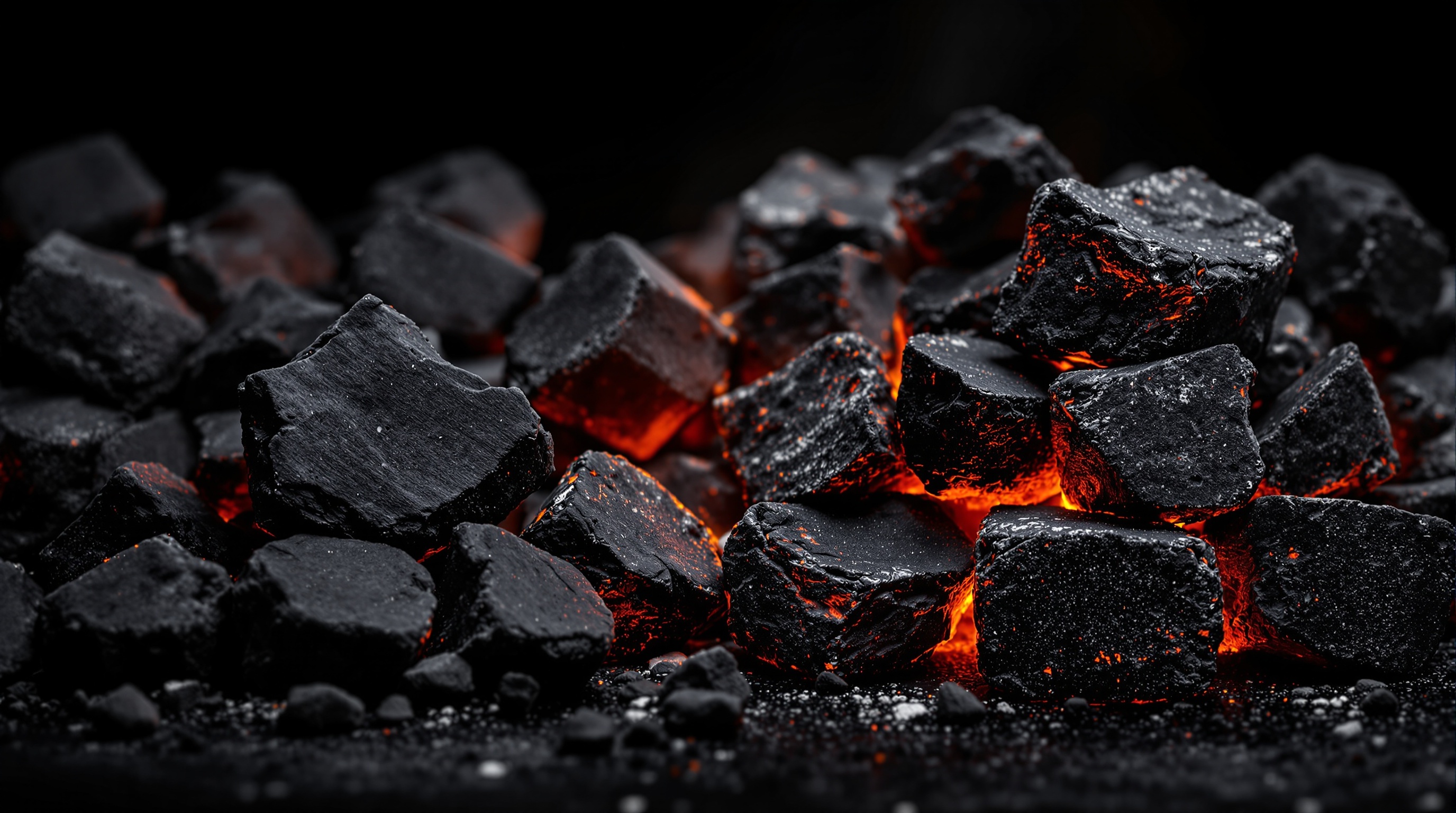
The color of your Firebull lump charcoal tells you exactly where you are in the burn cycle. Learning to read these visual cues is a fundamental pitmaster skill.
- Bright orange/red glow with no ash coating: Peak heat, 700°F+
- Orange glow with thin white ash coating: Prime cooking temp, 500–700°F
- Dull red glow with thick ash coating: Medium heat, 300–500°F
- Gray ash with faint glow: Low heat, 200–300°F
- All gray, no glow: Spent coals, time to add more
Smoke as a Temperature Indicator
The smoke coming from your grill also tells a story. Thin, blue-gray smoke means you're at a good cooking temperature with clean combustion. Thick, white smoke means the fire is too cool or the wood is too wet. Black smoke means something is burning that shouldn't be — fat dripping on coals, or the charcoal isn't fully lit yet.
Pitmaster Tip
Pro Tip: The ideal smoke for cooking is almost invisible — a thin wisp of blue-gray. If you can see thick white smoke billowing out, wait another 10 minutes before putting food on. The charcoal isn't ready yet.
Vent Position as a Temperature Guide
Your vent positions are both a temperature control and a temperature indicator. If your vents are fully open and you're still struggling to hit temperature, you need more charcoal. If your vents are mostly closed and the grill is still running hot, you have too much charcoal for the cook. Use vent position as a feedback loop.
When to Get a Thermometer
The hand test and visual cues are great for experienced grillers, but for long smokes where you need to maintain 225°F for 12 hours, a reliable grill thermometer is worth every penny. The built-in thermometers on most grills are notoriously inaccurate — they measure air temp at the lid, not at the grate where your food is. A good grate-level thermometer is the single best upgrade you can make to your setup.
Published by
The Firebull Team
February 28, 2026