What You'll Learn
- Why lighter fluid lowers burn temperature and adds off-flavors
- The exact technique for lighting a chimney in under 15 minutes
- How to use newspaper vs. fire starters — which is better
- The visual cues that tell you the coals are ready to pour
Walk into any serious pitmaster's backyard and you'll find one thing conspicuously absent: lighter fluid. The chimney starter replaced it decades ago, and for good reason. It's faster, it's cleaner, and it doesn't contaminate your food with petroleum byproducts. If you're still using lighter fluid, this guide is for you.
Why Lighter Fluid Is a Problem
Lighter fluid is petroleum-based. When it burns, it produces chemical compounds that absorb into your charcoal and, subsequently, into your food. That slightly chemical, petroleum-y taste you sometimes get from grilled food? That's lighter fluid. Beyond flavor, lighter fluid also lowers the maximum burn temperature of your charcoal — the chemicals act as a partial suppressant during the initial burn phase.
Pitmaster Tip
Pitmaster Tip: Even if you wait for lighter fluid to burn off before cooking, residue remains in the charcoal. The only way to avoid it entirely is to not use it at all.
What Is a Chimney Starter?
A chimney starter is a simple metal cylinder with a grate inside and a heat-resistant handle. You fill the top with charcoal, place a fire starter or crumpled newspaper underneath, and light it. The chimney effect — hot air rising and drawing fresh air in from the bottom — creates a powerful draft that lights the entire load of charcoal in 10-15 minutes. No chemicals, no waiting, no guessing.
Step-by-Step: How to Use a Chimney Starter
- Place the chimney starter on the bottom grate of your grill (not the cooking grate)
- Fill the top section completely with Firebull lump charcoal
- Stuff 2-3 sheets of crumpled newspaper or 1-2 fire starters into the bottom chamber
- Light the newspaper or fire starter through the holes in the bottom
- Wait 10-15 minutes until the top coals are glowing orange with light gray ash
- Pour the lit coals into your grill using the handle — never touch the metal body
Newspaper vs. Fire Starters
| Method | Pros | Cons |
|---|---|---|
| Crumpled newspaper | Free, always available, works great | Can blow away in wind, needs 2-3 sheets |
| Paraffin fire starters | Windproof, consistent, very reliable | Costs a few cents per use |
| Wax-coated cubes | Burns long, easy to light | Slightly more expensive |
| Lighter fluid | Fast ignition | Chemical taste, lower burn temp — avoid |
How to Tell When the Coals Are Ready
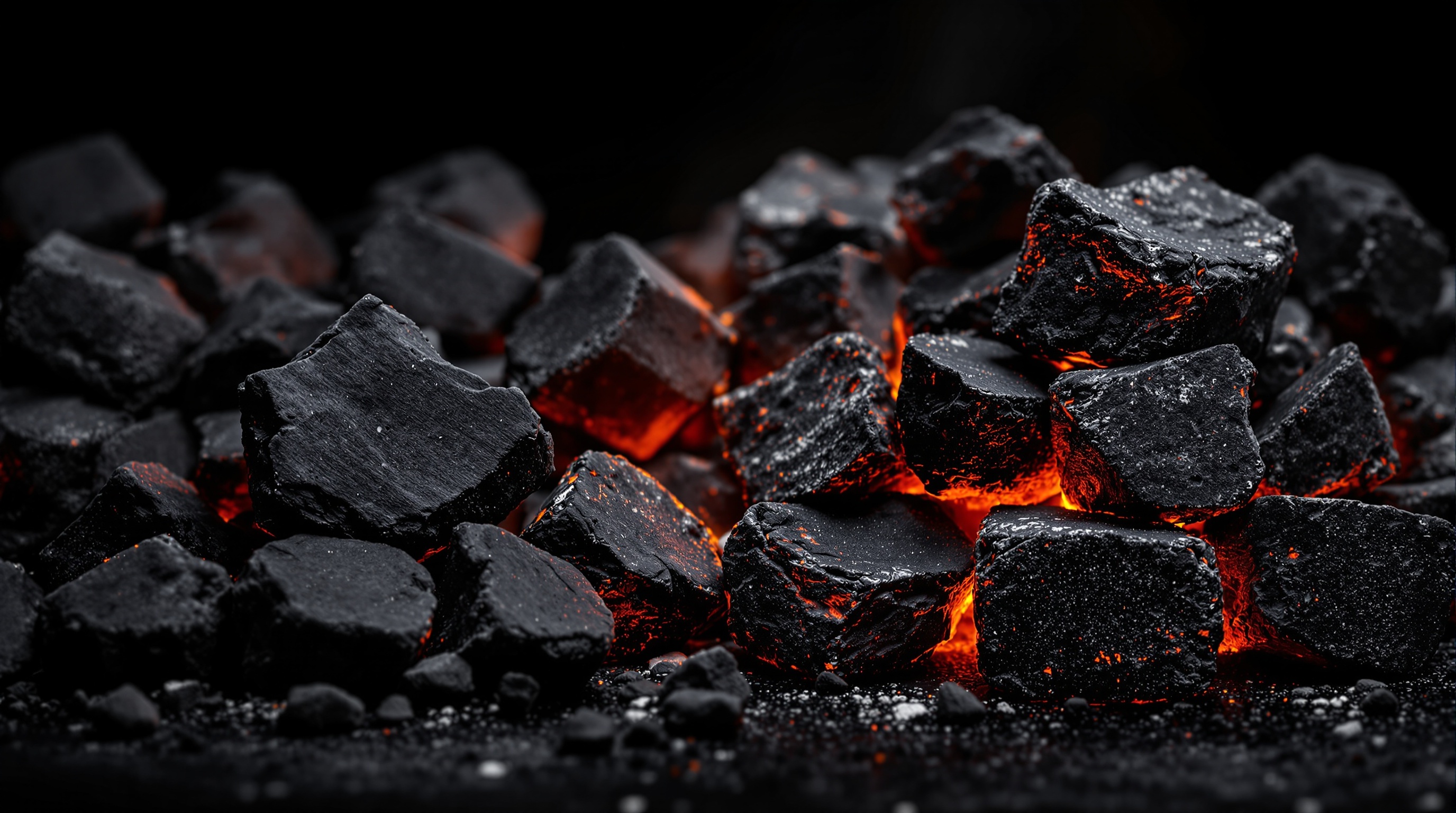
Don't rush this step. Pouring partially lit coals into your grill means uneven heat and a longer wait. The coals are ready when: the top layer is glowing orange-red, there's a light coating of gray ash on the top coals, and you can see heat shimmer rising from the chimney. At this point, every coal in the chimney is lit — not just the top ones.
Chimney Starter Safety
- Always use the handle — the metal body gets extremely hot
- Pour slowly and deliberately — lit coals can bounce
- Never set a hot chimney on a wooden deck or surface
- Keep children and pets away during the lighting process
- Let the chimney cool completely before storing
Published by
The Firebull Team
May 10, 2026